
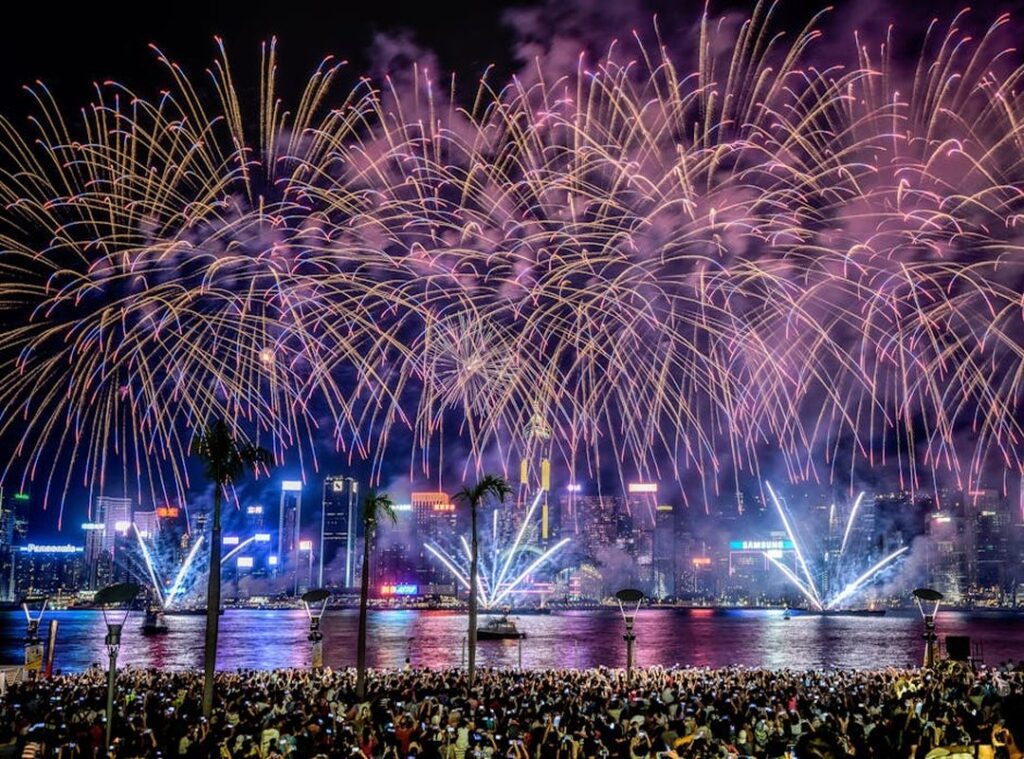
You’ve been to festivals that feel like crowded grocery stores with speakers.
You’ve sat through corporate events where everyone smiles but no one talks.
I know what you’re thinking right now. Is Event of the Year Thehakevent just another party with a fancy name?
It’s not.
I’ve watched this event grow for seven years. Not from a booth or a press pass. But standing in the same spot every August, talking to vendors who come back because their sales tripled last year, listening to elders tell stories at the fire circle, watching kids learn the same drum pattern their grandparents learned.
Most people miss the point entirely. They see music and food and assume it’s surface-level fun.
It’s not surface-level.
It’s built to hold space. For memory, for voice, for local ownership.
The crowd isn’t just showing up. They’re returning. They’re bringing cousins.
They’re volunteering next year before the lineup drops.
This article tells you exactly what makes it different. Not vague vibes. Not marketing slogans.
Real patterns. Real feedback. Real impact.
You’ll walk away knowing why this isn’t just another date on the calendar.
Thehakevent: Not a Party. A Promise.
I helped set up the first one in 2007. It wasn’t for clicks or sponsors. It was for the old bridge (the) one they tore down that spring.
The kind of thing people still point to and say “That’s where we waited for the bus after school.”
Thehakevent started with folding chairs, a mic run off a car battery, and three volunteers who knew every elder’s name.
People think scaling kills soul. They’re wrong. We grew.
But only by saying no to anything that made participation harder. No VIP sections. No wristbands.
Just sidewalks wide enough for strollers and walkers side by side.
It’s not an event. It’s a celebration (which) means you’re supposed to do something. Not watch.
Not scroll. Show up and make it.
The Story Wall? Began with index cards taped to a fence. Mrs.
Ruiz wrote about the 1968 flood. Mr. Lee drew the old soda fountain.
Now those notes live online (but) the wall itself is still paper. Still handwritten. Still passed hand to hand.
Parking’s on the east side because that’s where the bus stops. The main stage faces north so grandparents don’t squint into the sun. Every decision traces back to that first reason: honoring what we shared, not what we sold.
This isn’t just another festival. It’s the Event of the Year Thehakevent.
You can read how it holds up year after year at Thehakevent.
Thehakevent: What Actually Happens (Not Just the Highlights)
I show up at 9:45 a.m. Every year. Not to grab merch.
To watch how the ground holds space.
Welcome circle starts at 10 a.m. No speeches. Just breath, name, and one thing you’re carrying today.
(It’s not performative. It’s grounding.)
Youth-led workshops rotate at noon. Not lectures. Role-play on consent.
Zine-making with recycled paper. A drumline that teaches rhythm and listening. You think teens don’t run things here?
They do.
Interfaith reflection at 3 p.m. isn’t about doctrine. It’s shared silence, then one story from each tradition. Told in English, Spanish, and Ojibwe.
No translations piped in. You lean in. You catch meaning in the pause.
Dusk means the lantern walk. No megaphones. Just 300 people walking slow, lit by beeswax candles they made earlier.
The silent gratitude tent? People write notes, fold them, drop them in a cedar box. They burn at midnight.
No names. No fanfare. It works because it’s private, not performative.
The repair café station fixes bikes, mends jackets, rewires lamps. It exists because throwing things away feels lazy. And expensive.
The multilingual storytelling nook? Kids hear “The Three Little Pigs” in Vietnamese and Navajo. Language isn’t decoration here.
It’s dignity.
Food vendors? Family-run only. Regional ingredients.
No national chains. Ever. I’ve turned away a well-funded taco truck twice.
Rain once flooded the main stage. We moved everything to covered courtyards in 47 minutes. No announcement.
Just someone saying, “Follow the blue tape.”
Fun isn’t an afterthought. It’s built in. Like surprise jazz trios between workshops, or socks with mismatched polka dots handed out at check-in.
I covered this topic over in Thehakevent.
Why People Come Back (Not Just Once)
I ask every year. Same three answers pop up.
“I always run into someone I haven’t seen in months (but) it never feels forced.”
That’s the first one. Every time.
The second? “I get to do something. Not just watch.”
You can co-host a micro-stage. Lead a craft table.
Help hang lights. Rotating roles kill spectator fatigue dead.
The third? “It’s the only place where my phone stays in my pocket. And I don’t miss it.”
Which brings me to the no-photo-first policy. Phones down during drum circles, story swaps, sunrise stretches.
Not forever. Just long enough for presence to stick.
One person told me their kid said their first word—“boom” (mid-drum-circle.) Seven years ago. They still cry telling it. That moment rewired how they define community.
Weather messes with schedules. A tent collapses. Someone forgets the coffee beans.
None of it gets edited out. It becomes part of the shared story. Real.
Unpolished. Trusted.
This isn’t another generic gathering. It’s the Event of the Year Thehakevent.
And if you’re wondering whether it’s worth your time (go) look at what real people say on Thehakevent. Not the brochure. The actual feedback.
I’ve seen people return for eight years straight. Not because it’s perfect. Because it’s theirs.
First-Timer? Skip the Main Stage.
I showed up late my first year. Got stuck behind a guy trying to inflate a unicorn floatie. Don’t do that.
Bring a reusable water bottle. Layer your clothes (mornings) get weird. Pack a notebook.
Not for notes. For story prompts scribbled on napkins later.
Don’t bring drones. Don’t bring large coolers. And absolutely don’t bring promotional materials.
This isn’t a trade show. It’s a neighborhood thing.
Registration is free. But you must register. Why?
So they know how many greeters to station where. So shuttle drivers aren’t guessing how many people need drop-off at Oak & 5th. So volunteers aren’t scrambling when 200 people show up at once.
Shuttles run from 8:30. 10:45 a.m. Bike valet opens at 9. Strollers and wheelchairs enter first (look) for the blue ribbon at Gate B.
That’s not a suggestion. It’s how it works.
Here’s your 90-minute path: Welcome Garden → Story Wall → Snack Shed → Quiet Grove → Main Stage (yes, then). Starting at the stage is like opening a book at Chapter 7.
Arrive 20 minutes early. Not for a “good spot.” You won’t need one. Arrive early to get your handmade name tag and orientation card from a greeter who knows your block.
That card has real names. Not QR codes.
This isn’t just another festival. It’s the Event of the Year Thehakevent. Low noise, high warmth, zero corporate filler.
If you want the full crowd flow map and shuttle schedule, check the Multiplayer Event Thehakevent page. I keep it open on my phone every year.
You’re Already Invited
This isn’t about watching.
It’s about stepping in and staying.
I’ve been there (showing) up unsure, expecting noise, and walking away with something real. A name remembered. A hand held.
A story that sticks.
That’s the Event of the Year Thehakevent. Not spectacle. Not performance.
Just people, showing up as they are.
Preparation isn’t about getting it right.
It’s about choosing to be part of the rhythm. Not waiting for permission.
You don’t need to know what to say.
You just need to pick your role: listener, helper, storyteller, or learner.
Go to the official calendar page now. Pick the next date. Fill out the two-minute RSVP.
The celebration begins when you decide to step in. Not when the music starts.
 Ask Lee Graysonickster how they got into esports coverage and updates and you'll probably get a longer answer than you expected. The short version: Lee started doing it, got genuinely hooked, and at some point realized they had accumulated enough hard-won knowledge that it would be a waste not to share it. So they started writing.
What makes Lee worth reading is that they skips the obvious stuff. Nobody needs another surface-level take on Esports Coverage and Updates, Player Strategy Guides, Latest Gaming News. What readers actually want is the nuance — the part that only becomes clear after you've made a few mistakes and figured out why. That's the territory Lee operates in. The writing is direct, occasionally blunt, and always built around what's actually true rather than what sounds good in an article. They has little patience for filler, which means they's pieces tend to be denser with real information than the average post on the same subject.
Lee doesn't write to impress anyone. They writes because they has things to say that they genuinely thinks people should hear. That motivation — basic as it sounds — produces something noticeably different from content written for clicks or word count. Readers pick up on it. The comments on Lee's work tend to reflect that.
Ask Lee Graysonickster how they got into esports coverage and updates and you'll probably get a longer answer than you expected. The short version: Lee started doing it, got genuinely hooked, and at some point realized they had accumulated enough hard-won knowledge that it would be a waste not to share it. So they started writing.
What makes Lee worth reading is that they skips the obvious stuff. Nobody needs another surface-level take on Esports Coverage and Updates, Player Strategy Guides, Latest Gaming News. What readers actually want is the nuance — the part that only becomes clear after you've made a few mistakes and figured out why. That's the territory Lee operates in. The writing is direct, occasionally blunt, and always built around what's actually true rather than what sounds good in an article. They has little patience for filler, which means they's pieces tend to be denser with real information than the average post on the same subject.
Lee doesn't write to impress anyone. They writes because they has things to say that they genuinely thinks people should hear. That motivation — basic as it sounds — produces something noticeably different from content written for clicks or word count. Readers pick up on it. The comments on Lee's work tend to reflect that.