
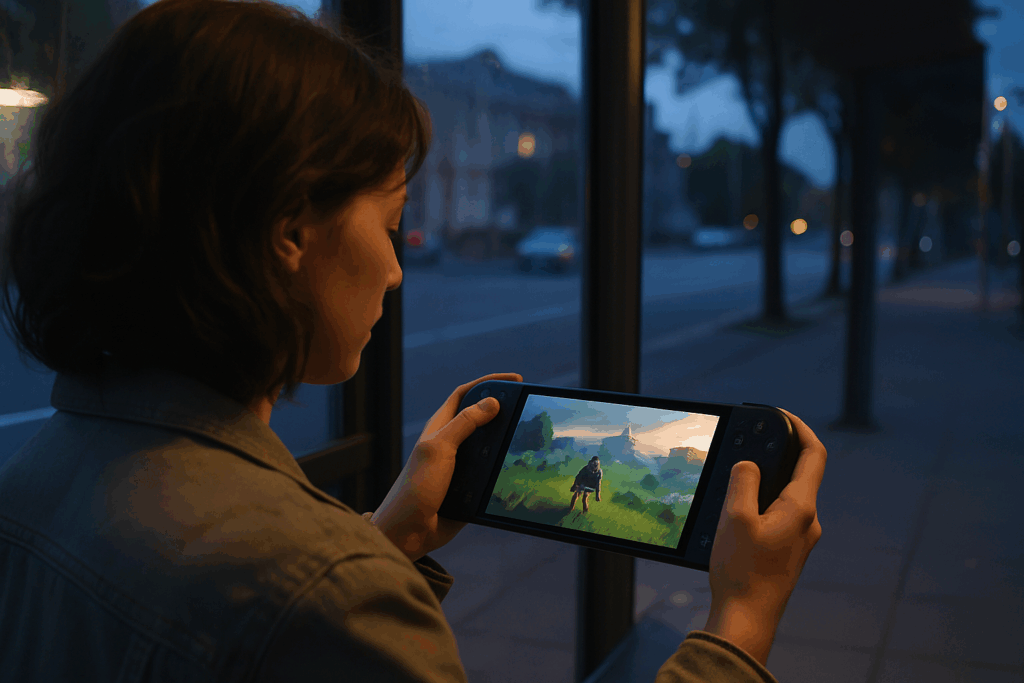
Where the Game Stands Now
When Hogwarts Legacy launched in early 2023, it came in hot topping charts, dominating streams, and pulling in both hardcore fans and casual players. As an open world RPG set in the Harry Potter universe (but not shackled to the books’ timeline), it was a technical showpiece. The environments were lush, the castle felt alive, and the freedom to explore Hogwarts and its surroundings scratched the itch fans had been nursing for over a decade.
But success didn’t come without noise. Critics praised the visual fidelity and sense of scale but called out a lack of depth in NPC interactions, one note side quests, and a story that played it safe. Some players felt it delivered a theme park version of the Wizarding World beautiful and immersive, but hollow in certain corners. Add to that the surrounding discourse tied to the franchise’s legacy, and conversations around the game were never just about gameplay.
Now, in 2026, the player base has matured. Many of the speedrunners and content creators moved on within months, but a dedicated fandom especially modders and narrative lovers have kept the game alive. Online communities have carved out their own deep dives, roleplay tools, and lore explorations. The buzz has quieted, but the base remains. Hogwarts Legacy isn’t the cultural earthquake it was at launch, but it’s far from forgotten. It’s taken root in a slower, more reflective corner of the gaming world.
Graphics and Performance in 2026
Visually, Hogwarts Legacy has held up better than most expected. The game’s art direction was strong out of the gate moody lighting, rich textures, and detailed environments and that strong foundation has aged gracefully. The castle still stuns. Flying over the highlands still delivers that crisp, wintry magic. But don’t expect ultra modern innovation. This isn’t a technical showcase on par with the best of 2026, but it isn’t outdated either.
Current gen updates have been modest but helpful. Warner Bros. pushed out a handful of performance and visual patches, including smoother frame rates and quality of life tweaks like faster loading between zones. Performance modes on PS5 and Xbox Series X keep a consistent 60 FPS at solid resolution targets, while high end PCs unlock the full visual suite especially when paired with DLSS or FSR. Ray tracing still isn’t game changing here, but the lighting gets a nice bump if you’re running the hardware to handle it.
There haven’t been major expansion DLCs, but the game supports newer console features like haptics and faster SSD streaming without issue. Audio remains immersive, and the world still feels alive if not freshly reinvented. It’s not pushing boundaries in 2026, but it hasn’t fallen behind either. For returning players and late adopters, what’s here holds together.
Whether you’re walking through the castle halls on PS5, soaring on a broomstick via Xbox Series X, or maxing out shadows and foliage on a 4090 powered rig, the core experience still hits a visual sweet spot.
Gameplay That Still Holds Up or Doesn’t
When it launched, Hogwarts Legacy nailed the fantasy of stepping into a wizarding life, thanks to fluid spellcasting, thoughtful exploration design, and upgradeable talent trees that rewarded player investment. In 2026, these mechanics still mostly hold their ground. Combat remains satisfying base spells chain well together, and dodging or parrying in duels feels responsive. The talent tree system is basic by RPG standards, but it does enough to give players direction and personal flair. It’s not deep, but it’s competent.
As for exploration, Hogwarts and Hogsmeade retain their charm. Walking through the castle’s shifting staircases, stumbling onto secret nooks, or hearing ghosts bicker in hallways still feels special. Hogsmeade delivers a cozy, almost self contained vibe. The magic isn’t gone but it is fading for returning players. Once you’ve done the rounds a few times, the surprise wears off.
The open world beyond those hubs is less kind. The countryside looks good but wears thin fast. Repetitive enemy camps, copy pasted puzzle shrines, and fetch quests fill the map. If you squeeze every inch out of it, fatigue sets in. If you play with restraint, you can preserve the feeling of adventure a lot longer.
As for updates? Minimal. The lack of major expansions or system overhauls is glaring. Some updates have squashed bugs and added QoL tweaks, but there’s no fresh content to reshape the gameplay loop. This stagnation means that by 2026, we’re largely dealing with the same systems we had at launch polished, but plateaued.
Storyline and Replayability Factor
Three years on, Hogwarts Legacy’s story still hits hard in the right moments if you care enough to lean in. The main questline holds a steady emotional rhythm, especially during its more grounded beats. But choices? They rarely reshape the world in any meaningful way. Dialogue options sound weighty but usually funnel back to the same outcomes. If you’re looking for consequence heavy storytelling, this game skirts the edge but never dives in.
Replayability comes from where you start, not where you end. The house system adds flavor more than substance. Starting in Ravenclaw versus Slytherin changes your dorm, your common room, and a few questlines, but you’re ultimately on the same rails. Still, trying each house can be worth it just for the different vibes think tone shift, not full route divergence.
The fan wish list hasn’t changed much. Players still want a morality system that matters, not just cosmetic spell choices. They’re still holding out hope for Quidditch, which remains painfully absent. And there’s genuine demand for deeper companion arcs more dynamic friendships, more fallout, more actual growth.
Legacy has charm and heart, but when it comes to branching narrative and long haul choices, it plays things safe. Whether that’s enough depends on what kind of wizardry you’re in the mood for.
Comparing the Hype vs. Reality
Back in 2023, the launch of Hogwarts Legacy came with deafening buzz. A sprawling open world Hogwarts where you could attend classes, duel dark wizards, and fly a broom? It sold well and gave fans a long awaited fantasy sandbox. But fast forward to 2026, the first wave of euphoria has settled, and it’s time to look at what truly lasted beyond the box art and trailers.
Nostalgia did the heavy lifting early on. Exploring the castle or strolling through Hogsmeade lit up the inner child in most players. But with distance, you start to see the cracks. Innovation wise, the game played it safe. No morality system, no Quidditch, few high stakes choices. Was the magic surface deep?
Still, credit where it’s due: the game feels like Hogwarts in more ways than one. That immersive atmosphere remains one of its strongest assets, especially for fans. As a general open world RPG, though, it’s a competent if not groundbreaking experience. For players looking for deep systems or dynamic world changes, Legacy doesn’t quite carry the wand all the way across the finish line.
So is it a true Hogwarts simulator or a missed opportunity? Honestly, it lives in between. The dream is alive, but it’s more interactive theme park than a living, breathing world. If you know that going in, there’s still magic to be found.
Dive even deeper with our full Hogwarts Legacy analysis.
Final Verdict: Still Worth Your Time in 2026?
Three years out from its launch, Hogwarts Legacy lands in a unique spot. For longtime fans of the Wizarding World, it’s still a rich, immersive experience a fantasy that delivers on the promise of wandering Hogwarts’ halls, dueling in the Forbidden Forest, and attending Charms class like a proper fifth year. If you grew up on the books or were captured by the films, you’ll likely still find this game a satisfying trip down memory lane, one that feels lived in and detailed even in 2026.
But what about new players? If you’re coming to this fresh with no emotional ties to the franchise the appeal is still there, but more conditional. The game’s systems haven’t aged poorly, but they aren’t cutting edge either. Spellcasting and exploration remain fun. The story, while not revolutionary, holds enough interest to keep most players engaged for a full main quest run. Replayability varies depending on your curiosity for different house paths and side content.
Technically, Hogwarts Legacy performs solidly across platforms in 2026. On PS5, Xbox Series X, and PC, players get smoother frame rates and minimal loading, especially with patch updates that ironed out the clunk from version 1.0. Don’t expect groundbreaking graphical updates, but do expect a stable ride.
So: who’s it for? Diehard Potterheads will still love it. Story driven RPG fans with a soft spot for fantasy will stay engaged. But action junkies or players looking for a fresh take on open world formula may feel like they’ve seen parts of this game before.
Bottom line if you haven’t played Hogwarts Legacy yet and you’ve even a passing interest in the Wizarding World, you won’t regret giving it a go in 2026. For a deeper breakdown of design choices, pacing, and player feedback, visit our full Hogwarts Legacy analysis.
 Tavara Orricsona has opinions about upcoming game releases. Informed ones, backed by real experience — but opinions nonetheless, and they doesn't try to disguise them as neutral observation. They thinks a lot of what gets written about Upcoming Game Releases, Latest Gaming News, Comprehensive Game Reviews is either too cautious to be useful or too confident to be credible, and they's work tends to sit deliberately in the space between those two failure modes.
Reading Tavara's pieces, you get the sense of someone who has thought about this stuff seriously and arrived at actual conclusions — not just collected a range of perspectives and declined to pick one. That can be uncomfortable when they lands on something you disagree with. It's also why the writing is worth engaging with. Tavara isn't interested in telling people what they want to hear. They is interested in telling them what they actually thinks, with enough reasoning behind it that you can push back if you want to. That kind of intellectual honesty is rarer than it should be.
What Tavara is best at is the moment when a familiar topic reveals something unexpected — when the conventional wisdom turns out to be slightly off, or when a small shift in framing changes everything. They finds those moments consistently, which is why they's work tends to generate real discussion rather than just passive agreement.
Tavara Orricsona has opinions about upcoming game releases. Informed ones, backed by real experience — but opinions nonetheless, and they doesn't try to disguise them as neutral observation. They thinks a lot of what gets written about Upcoming Game Releases, Latest Gaming News, Comprehensive Game Reviews is either too cautious to be useful or too confident to be credible, and they's work tends to sit deliberately in the space between those two failure modes.
Reading Tavara's pieces, you get the sense of someone who has thought about this stuff seriously and arrived at actual conclusions — not just collected a range of perspectives and declined to pick one. That can be uncomfortable when they lands on something you disagree with. It's also why the writing is worth engaging with. Tavara isn't interested in telling people what they want to hear. They is interested in telling them what they actually thinks, with enough reasoning behind it that you can push back if you want to. That kind of intellectual honesty is rarer than it should be.
What Tavara is best at is the moment when a familiar topic reveals something unexpected — when the conventional wisdom turns out to be slightly off, or when a small shift in framing changes everything. They finds those moments consistently, which is why they's work tends to generate real discussion rather than just passive agreement.