
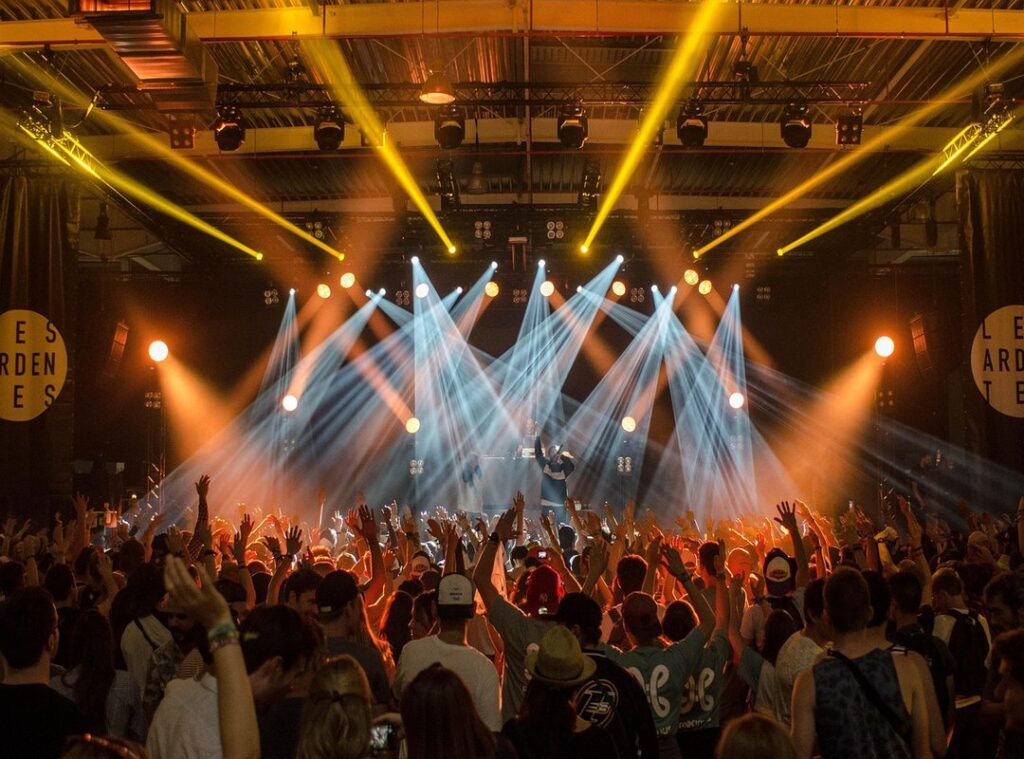
You’ve seen the crowds. You’ve watched the trucks roll in with custom rigs strapped down tight. You’ve stared at those LED-lit transport vehicles like they’re magic.
But here’s what nobody tells you: Latest Gamiong Event Tportvent isn’t just about showmanship. It’s about timing, weight limits, customs paperwork, and last-minute gate changes at 3 a.m.
I’ve stood in loading docks from Cologne to Seattle watching teams scramble because a GPU shipment missed its flight.
Or worse. Got held up in Tokyo customs for three days.
This isn’t theory. I’ve coordinated gear moves for Gamescom, PAX, and Tokyo Game Show. Not as a consultant.
Not from an office. On the ground. With walkie-talkies and coffee-stained manifests.
You want to know how it actually works. Not the press release version. The real version.
Who hauls what, when it leaves, which carriers actually deliver, and why that one stage in Berlin had no monitors until 90 minutes before opening.
That’s what this is. No fluff. No jargon.
Just the logistics behind the spectacle.
How Gaming Gear Gets from Crate to Crowd
I’ve watched a VR rig get wheeled into E3 and then into Gamescom. Same gear. Different paperwork.
Different stress.
It starts in a warehouse. Not some generic one. A climate-controlled one.
Humidity kills haptics. Heat warps LED panels. So no, your $40,000 8K wall doesn’t ride in a U-Haul.
Crating isn’t boxing. It’s engineering. Foam inserts are CNC-cut.
Straps are rated for G-force, not just weight. And yes. Someone signs off on every bolt before it leaves.
Top-tier producers use DHL Live Events for global legs. CEVA Logistics handles inland freight across the US. Local rigging crews?
They’re booked six months out. You don’t call them Friday. You beg them Tuesday.
Why can’t you just ship it FedEx? Try explaining to customs why your “gaming station” contains motion-tracking lasers and FCC-unlisted sub-harmonic transducers. (They ask.)
A 2024 AAA title’s booth moved from Tokyo → LA → Berlin in 11 days. One delay in customs at LAX. Fixed by rerouting through Ontario instead of direct air.
Real-time GPS tracking. Real-time panic.
The Latest Gamiong Event Tportvent isn’t magic. It’s logistics with zero margin for error.
Tportvent tracks this stuff live (not) just delivery times, but humidity logs, shock sensor alerts, even customs hold reasons.
I check it before every major show.
You should too.
Most teams wait until something breaks. Don’t be most teams.
The Hidden Timeline: When Transport Decisions Are Made
I’ve watched three dozen events go sideways because someone thought transport was “just moving boxes.”
It’s not. It’s the backbone.
Transport contracts get signed 6. 9 months before showtime. Not after the lineup drops. Not when tickets go on sale.
Six to nine months.
Load-in windows lock in at the same time. So does every backup route. Every alternate dock.
Every customs pre-clearance for overseas gear.
You think that doesn’t affect you? Try standing in a 90-minute queue because the GPU trucks were late (and) now the demo floor isn’t ready.
That delay ripples. A single GPU shipment stuck in customs means no press demos at 10 a.m. No influencer livestreams at noon.
No working kiosks by opening.
I saw it at last year’s Austin event. Integrated planning. One team owned transport, staging, and power.
Everything launched on time. Fans walked in (no) chaos.
Then there was Denver. Three vendors. Zero shared calendar.
Trucks showed up 4 hours apart. Demo rigs sat in shipping containers while influencers streamed from parking lots.
That’s how you get a botched Latest Gamiong Event Tportvent.
The transport dependency chain is real. Break one link and everything downstream fails.
Pro tip: If you’re booking travel or planning your fan meetup, check the load-in schedule first. Not the artist list. Not the merch drop.
The load-in.
Because the trucks decide what works (long) before the lights go up.
EVs, GPS, and AI: What Actually Changed in 2024
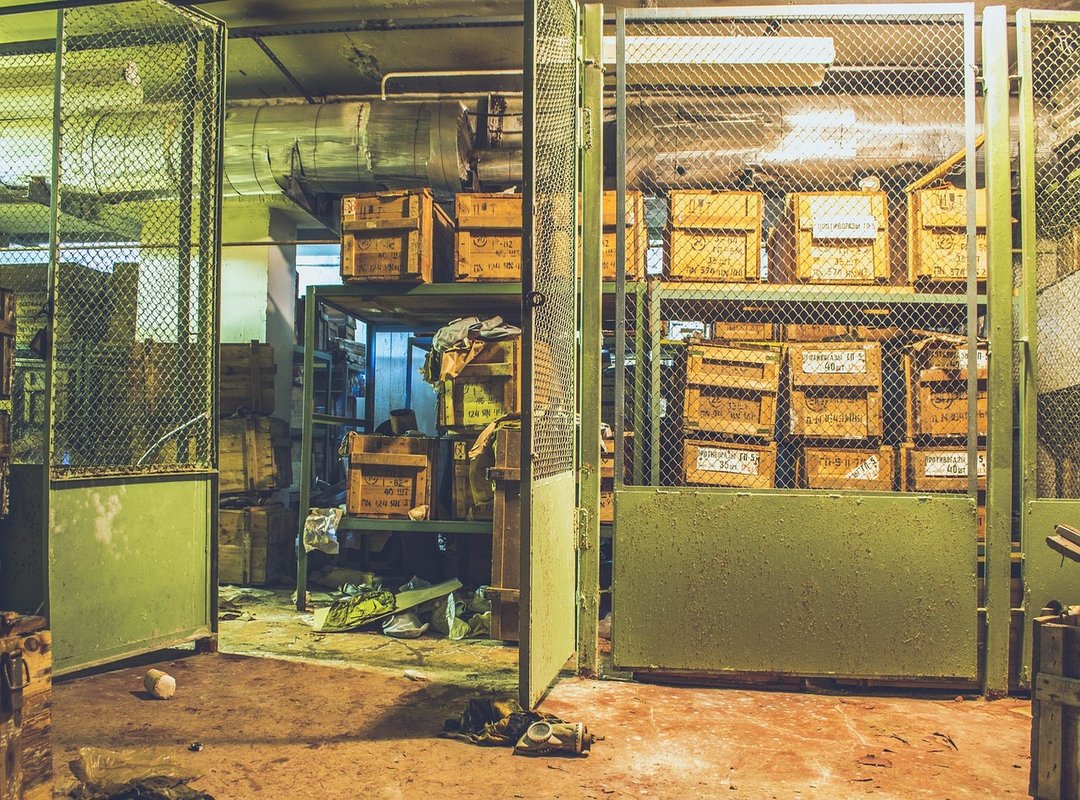
I stopped using gas-powered transport vans for events last March. Not for virtue signaling. Because they broke down twice in one week.
I go into much more detail on this in Latest gaming event tportvent.
Electric and hybrid vehicles are now standard for indoor venues. No fumes. No surprise maintenance.
And yes, they do handle heavy gear loads (just check the torque specs before you assume).
Real-time GPS tracking isn’t new. But now it’s fused with IoT sensors. Tilt, shock, temperature.
It’s what ops teams saw at Coachella and PAX West.
All feeding live dashboards. Imagine seeing your truck hit a pothole and its fridge temp dip two degrees at the same time. That’s not sci-fi.
The Latest Gamiong Event Tportvent rollout used this setup. You can see how it worked in detail on the Latest gaming event tportvent review.
AI route optimization went from “nice to have” to non-negotiable. It checks traffic, weather, and whether the venue’s loading dock is actually open. Not just booked (open.) I watched it reroute a van away from Madison Square Garden because their dock was backed up with a broken forklift.
We use Routific. It’s the one platform that shipped live with venue dock sync in Q1 2024.
Transit time dropped 11. 17%. Carbon per event fell ~22%. That’s from the 2024 BLM Logistics Benchmark Report.
Not vendor slides.
You don’t need all three upgrades at once. Start with GPS + sensor fusion. It pays for itself in avoided spoilage and missed load-ins.
Skip the AI routing if your routes never change. But if your venues shift weekly? Just do it.
Why Indie Devs Are Ditching Transport (For) Good
I used to haul my own gear to every show. Then I broke a $2,400 VR rig in a U-Haul ramp incident. (Don’t do that.)
Traditional event transport eats indie budgets alive. You’re not just paying for trucks. You’re paying for insurance, customs forms, last-minute freight surcharges, and someone to babysit your gear while it sits in a warehouse for three days.
So what are people doing instead?
Modular pop-up kits. Ship flat-packed rigs via regional parcel networks. No pallets, no forklifts.
Shared transport consortia. Four studios pool shipments to one city. One person handles pickup.
Everyone saves 40% or more.
Cloud-synced AR demo stations. No hardware moves at all. Just projectors, tablets, and local Wi-Fi.
A 4-person team ran a global demo tour using consolidated freight + local rental rigs. Cut transport costs by 63%. Their secret?
They dry-ran load tests before shipping anything. (Skip this and you’ll cry in the loading dock.)
Insurance is non-negotiable. That $1,800 haptic suit? It’s not covered under “general liability.”
If you’re prepping for the Latest Gamiong Event Tportvent, start with the this page. It walks you through what actually matters.
Your Trucks Don’t Wait. Neither Should You.
I’ve seen too many teams scramble when the trailer shows up early. Or not at all.
That uncertainty around Latest Gamiong Event Tportvent isn’t just annoying. It breaks visibility. It delays setup.
It kills ROI before the first player walks in.
Transport isn’t logistics wallpaper. It’s your reliability lever. Your sustainability checkpoint.
Your audience’s first impression.
You already know this. You’re feeling it right now.
So grab the free transport timeline checklist. Bookmark it. Then audit one upcoming event (using) those 4 questions from section 2.
The next event’s transport schedule is already being finalized. Your input matters before the first trailer drops.
Do it today. Not tomorrow. Not after lunch.
Your move.
 Ask Lee Graysonickster how they got into esports coverage and updates and you'll probably get a longer answer than you expected. The short version: Lee started doing it, got genuinely hooked, and at some point realized they had accumulated enough hard-won knowledge that it would be a waste not to share it. So they started writing.
What makes Lee worth reading is that they skips the obvious stuff. Nobody needs another surface-level take on Esports Coverage and Updates, Player Strategy Guides, Latest Gaming News. What readers actually want is the nuance — the part that only becomes clear after you've made a few mistakes and figured out why. That's the territory Lee operates in. The writing is direct, occasionally blunt, and always built around what's actually true rather than what sounds good in an article. They has little patience for filler, which means they's pieces tend to be denser with real information than the average post on the same subject.
Lee doesn't write to impress anyone. They writes because they has things to say that they genuinely thinks people should hear. That motivation — basic as it sounds — produces something noticeably different from content written for clicks or word count. Readers pick up on it. The comments on Lee's work tend to reflect that.
Ask Lee Graysonickster how they got into esports coverage and updates and you'll probably get a longer answer than you expected. The short version: Lee started doing it, got genuinely hooked, and at some point realized they had accumulated enough hard-won knowledge that it would be a waste not to share it. So they started writing.
What makes Lee worth reading is that they skips the obvious stuff. Nobody needs another surface-level take on Esports Coverage and Updates, Player Strategy Guides, Latest Gaming News. What readers actually want is the nuance — the part that only becomes clear after you've made a few mistakes and figured out why. That's the territory Lee operates in. The writing is direct, occasionally blunt, and always built around what's actually true rather than what sounds good in an article. They has little patience for filler, which means they's pieces tend to be denser with real information than the average post on the same subject.
Lee doesn't write to impress anyone. They writes because they has things to say that they genuinely thinks people should hear. That motivation — basic as it sounds — produces something noticeably different from content written for clicks or word count. Readers pick up on it. The comments on Lee's work tend to reflect that.