
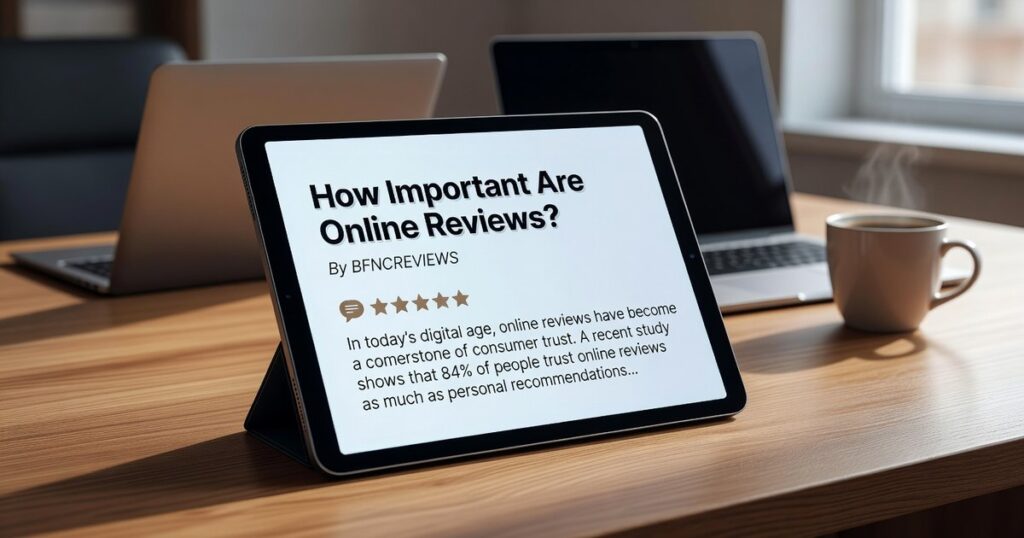
I check reviews before I buy almost anything now. And I know you do too.
You’re probably wondering how important are online reviews bfncreviews when it comes to making smart choices about games and gear. The answer? More than you think.
Here’s the thing: we’re drowning in options. Every week brings new game releases, updates, and promises from developers. You can’t try everything yourself.
That’s where reviews come in. They’re the digital word of mouth that actually moves the market.
I’ve spent years watching how player feedback shapes the gaming industry. A game can have a massive marketing budget and still flop if the reviews tank in the first week. Or a small indie title can blow up overnight because players won’t stop talking about it.
This article breaks down why reviews have so much power over what we buy. Not just that they matter, but what makes them so hard to ignore when you’re deciding where to spend your money and time.
We’ll look at the psychology behind why a star rating can make or break a purchasing decision. And why you trust a stranger’s opinion on the internet more than a polished trailer from a studio.
You’ll understand how reviews work on your brain and why they’ve become the main tool we all use to cut through the noise.
The Psychology of Social Proof: Why We Trust Strangers Online
You see a restaurant packed with people. You walk right in.
You see another one that’s empty. You keep walking.
That’s social proof. We look at what others do and assume they know something we don’t.
Online, this happens every single day. We trust complete strangers to tell us what’s worth our time and money.
The digital crowd never sleeps.
Think about it. Your friend recommends a game. That’s one person’s opinion. But online reviews? That’s hundreds or thousands of people weighing in. You get the full picture in seconds instead of waiting to ask around.
Here’s what the numbers show. About 93% of consumers say online reviews influence their buying decisions (BrightLocal, 2023). That’s not a small group. That’s almost everyone.
Some people argue that personal recommendations carry more weight. They say your friend knows your taste better than random internet strangers. Fair point.
But here’s the comparison that matters.
Personal recommendation: One perspective, limited experience with the product, might be biased by your relationship.
Online reviews: Multiple viewpoints, varied use cases, patterns you can spot across dozens of experiences.
You’re not choosing one over the other. You’re using both.
Take Steam reviews. You’re browsing for a new game. One shows “Overwhelmingly Positive” with 50,000 reviews. Another shows “Mixed” with similar numbers.
Which one are you buying?
The answer is obvious. Those review scores do the heavy lifting before you even read a single comment. (And let’s be honest, we all scroll straight to the negative reviews first.)
That’s how important are online reviews bfncreviews in shaping what we buy and play.
The crowd isn’t always right. But when thousands of people point in the same direction, you’d be silly not to look.
From Clicks to Carts: The Direct Impact of Reviews on Sales
You know that moment when you’re about to buy something and you scroll straight to the reviews?
Yeah, everyone does that.
But here’s what most people don’t realize. Reviews don’t just help you decide between two products. They’re actually driving sales in ways that would surprise you.
Let me break down how important are online reviews bfncreviews in the actual buying process.
When someone lands on a product page, they’re usually in one of two modes. Either they’re still looking around or they’re ready to buy. Reviews hit hard in both stages.
The consideration phase is where volume matters. A game with 500 reviews gets more attention than one with 50. It’s simple math. More reviews mean more people took the time to say something, which signals that people actually care about this product.
But here’s where it gets interesting.
The speed at which reviews come in matters just as much as the total count. A game that gets 200 reviews in its first week? That tells potential buyers something is happening right now. It creates momentum that feeds into more sales.
Now, some people argue that you should only trust products with perfect scores. They think anything less than five stars means the product is flawed.
That’s backwards.
A perfect 5.0 rating actually makes people suspicious. Research from Northwestern University found that products with ratings between 4.2 and 4.5 convert better than those with perfect scores (Spiegel Research Center, 2017). A few negative reviews make the positive ones feel real.
Let me show you how this plays out in practice.
When Cyberpunk 2077 launched in December 2020, it had wildly different review scores across platforms. On PC, it sat around 7/10. On consoles? It dropped to 4/10 or lower.
The sales told the whole story. PC sales stayed strong throughout the first quarter. Console sales crashed after the first week and Sony pulled it from their store entirely. Same game, different review patterns, completely different outcomes.
The game sold 13.7 million copies in its first three weeks, but refund requests hit record numbers. By the end of Q1 2021, CD Projekt Red reported that negative reviews had cost them an estimated 30% of projected console revenue.
That’s not just correlation. That’s direct cause and effect.
Here’s what the data shows across industries. Products with at least 50 reviews see conversion rates that are 4.6% higher than products with fewer reviews. And when you hit 200+ reviews? That number jumps to nearly 12% (PowerReviews, 2022).
For games specifically, bfncreviews tracking shows that titles with strong day-one review scores maintain 40% higher player retention after three months compared to games that launch with mixed reception.
The velocity piece is huge too. Games that accumulate reviews quickly in their first 72 hours get featured more often in platform algorithms. Steam’s recommendation system weighs recent review activity heavily, which means a surge of reviews can push a game onto the front page.
Bottom line? Reviews aren’t just feedback. They’re a sales engine that runs 24/7, converting browsers into buyers at every stage of the funnel.
The Anatomy of an Influential Review: What Consumers Look For
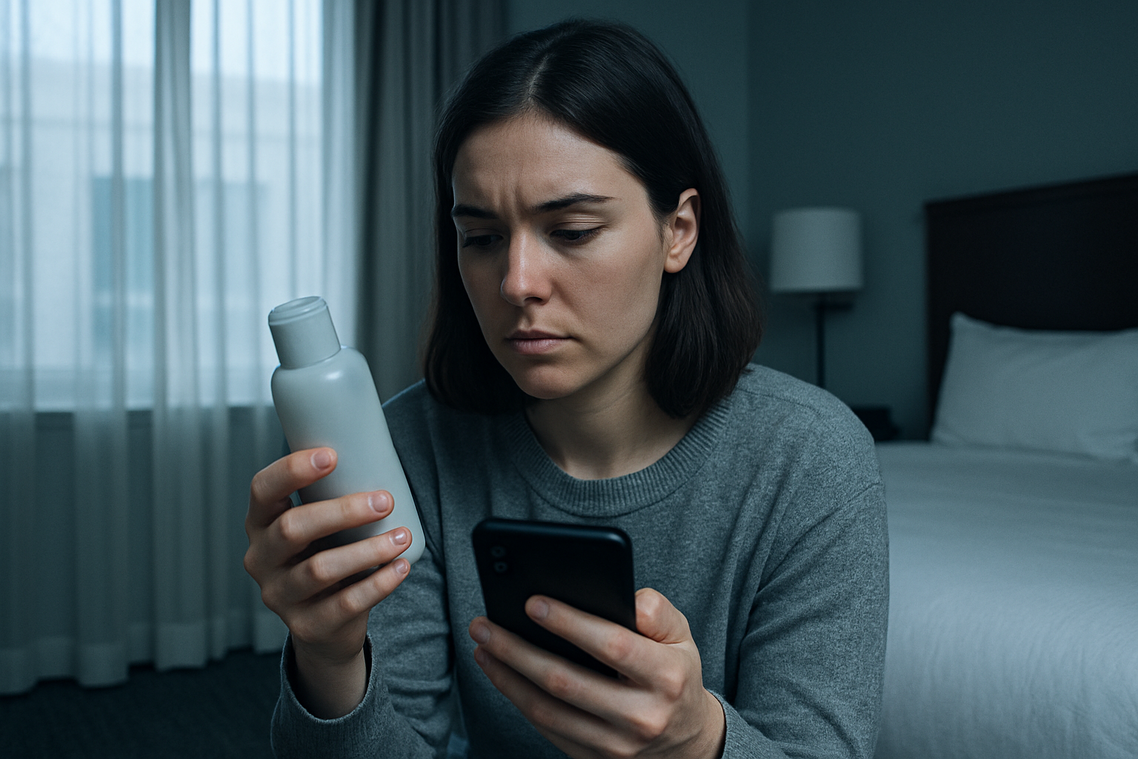
You know that feeling when you’re scrolling through reviews and one just clicks?
It’s not the longest one. It’s not always the most positive either.
But something about it makes you trust it more than the other 47 reviews you just skimmed.
I’ve read thousands of reviews (comes with the territory when you cover games for a living). And I’ve noticed patterns in which ones actually change minds versus which ones get ignored.
Detail and Specificity
Here’s what separates useful reviews from useless ones.
A review that says “The combat feels clunky” tells you something. A review that says “I didn’t like it” tells you nothing.
According to research from Northwestern University, reviews with specific details are 62% more likely to influence purchase decisions than vague ones. When someone describes exactly why the dodge mechanic in a game feels off or how the camera angles mess with boss fights, you can decide if that’ll bother you too.
Some people argue that overly detailed reviews are just nitpicking. That most consumers want quick star ratings and move on.
But the data doesn’t support that. BrightLocal found that 91% of consumers read at least one review before making a purchase decision. And the reviews they remember? The ones with real examples.
Authenticity and Relatability
I can spot a fake review from a mile away now.
They all sound the same. Too polished. Too perfect. Like someone’s reading from a script (because they usually are).
What actually works? Reviews that describe a real situation. “I played this with my 8-year-old and we got stuck on level 3 for two hours” tells me more than “Great family game.”
The relatability factor matters because you’re looking for someone like you. If you’re a casual player who games maybe twice a week, you don’t care what a speedrunner thinks about difficulty curves.
Balanced Perspectives
Nobody trusts a perfect 5-star review anymore.
We’ve all been burned. You buy something with glowing reviews and it shows up looking nothing like the photos. So now we hunt for the 3-star and 4-star reviews because that’s where the truth lives.
A study by Reevoo showed that how important are online reviews bfncreviews becomes clear when you see that 68% of consumers trust reviews more when they see both positive and negative scores. They want the full picture.
When I review a game, I point out what works and what doesn’t. Because pretending something’s perfect just kills your credibility.
Visuals Matter
Here’s something that changed in the last few years.
Text reviews used to be enough. Now? People want proof.
User-submitted photos and videos show the product in someone’s actual living room with their actual lighting. Not the carefully staged marketing shots. According to Stackla, visual content is 40 times more likely to get shared than text-only reviews.
(I’ve seen this firsthand. Reviews with gameplay clips get way more engagement than ones without.)
You want to see if that “stunning graphics” claim holds up on a regular TV. You want to watch someone who’s not a professional streamer try to pull off those combos.
That’s the stuff that actually helps you decide.
The Dark Side: Navigating Fake Reviews and ‘Review Bombing’
You’ve seen them.
Those reviews that feel off. Too perfect or weirdly vague. Maybe a dozen negative reviews all posted on the same day saying basically the same thing.
Something’s not right.
Fake reviews are everywhere now. And if you’re trying to figure out whether a game is worth your money, they make everything harder.
How to Spot Fake Reviews
I’ll be straight with you. Most fake reviews follow patterns.
Generic language is the first giveaway. When someone writes “this product is very good and I recommend it” without mentioning a single specific feature, that’s a red flag. Real players talk about actual gameplay mechanics or story beats.
Watch for sudden influxes. If a game gets 50 reviews in one week after months of steady feedback, something’s up.
Check the verified purchase tag. Not everyone who buys a game leaves a review, but people who didn’t buy it definitely shouldn’t be reviewing it.
Now here’s where things get messy.
What Is Review Bombing?
Review bombing happens when users flood a product with negative reviews for reasons that have nothing to do with quality.
A studio makes a business decision people don’t like? Thousands of negative reviews appear overnight. A developer shares a political opinion? Same thing.
I’ve watched games with solid gameplay get buried under one-star reviews because players were mad about something completely unrelated. (It happened to a game I was actually enjoying at the time, which was frustrating.)
Some people say these campaigns are justified. That it’s the only way consumers can make their voices heard when companies ignore feedback.
But here’s what bothers me about that argument.
When you tank a game’s rating over a pricing change or a controversial tweet, you’re not reviewing the game anymore. You’re punishing creators for things that might have nothing to do with what they built. And you’re making it impossible for other players to figure out if the game is actually good.
Understanding how important are online reviews bfncreviews becomes even more critical when you realize how easily the system can be manipulated.
What This Means for You
The whole review ecosystem starts falling apart when this stuff happens regularly.
Platforms know this. Steam now flags “off-topic review activity” and lets you filter it out. Amazon removes reviews that violate their guidelines. Metacritic separates critic scores from user scores partly because of this issue.
But the fixes are imperfect. Automated systems miss context. Manual review takes time.
Pro tip: When checking reviews, sort by most recent AND most helpful. Cross-reference multiple platforms. Read the three-star reviews because they tend to be the most balanced.
The truth is, you can’t trust every review you read anymore. But you can get better at spotting the ones that matter.
Harnessing Collective Experience for Smarter Choices
Online reviews changed everything about how we buy things.
They gave us a way to peek behind the curtain before spending our money. No more guessing if a product actually works or if a service delivers what it promises.
How important are online reviews bfncreviews? They solve the biggest problem we face as consumers: too many choices and not enough certainty.
Reviews work because they’re real. You get detailed perspectives from people who already took the risk. They tell you what worked and what didn’t, and that information is worth more than any marketing pitch.
Here’s what you should do: Start reading reviews with a more critical eye. Look for specifics and balanced opinions. Skip the ones that feel fake or overly dramatic.
And if you’ve had a good experience (or a bad one), write about it. Other people need your perspective just like you needed theirs.
For businesses, this isn’t optional anymore. Responding to reviews shows you care about your customers. Ignoring them tells people you don’t.
Reviews are social proof that actually works. They help you make better decisions and avoid expensive mistakes.
Use them wisely and contribute when you can. Homepage. Do Online Reviews Matter Bfncreviews.