

What Roles Actually Mean in Apex
Whether you’re a jumpmaster junkie or the last one to pick, knowing your legend’s role isn’t optional anymore it’s the baseline for playing smart.
Apex breaks down its roster into four categories: Offensive, Defensive, Recon, and Support. Offensive legends are your initiators built to pressure, flank, and finish. Defensive legends hold ground, control zones, and stall pushes. Recon legends gather intel, prevent third parties, and track enemy patterns. Support legends keep the squad stocked and alive, dictating the flow of sustained fights. Each role serves a purpose, and none thrive alone.
So why does this matter more in 2024? Because Apex isn’t just a shooter it’s a team coordination test disguised as a battle royale. The days of picking Wraith just because she’s cool are fading. Legends now carry passive abilities tied to their roles, giving real mechanical incentive to work as a unit. The better you play to your role, the harder it is for your enemies to outplay your squad.
Respawn didn’t overhaul roles just for balance it’s a push to reward purpose over chaos. Understanding your fit in the squad amplifies every decision, from rotations to revives. Figure out what your legend is meant to do, then do that consistently. That’s how squads win more than just their 1v1s.
Check out our full Apex Legends role guide
Offensive: Aggression With Purpose
If you’re running Wraith, Octane, Ash, or Bangalore, your job isn’t just about damage it’s about pressure with intent. These legends shine when you’re making space, pulling eyes, or opening fights on your terms. But playing offensive doesn’t mean brainless W keying every squad you see.
Push smart. Know your cooldowns and your exits before you commit. Wraith’s portal isn’t a panic button. Ash’s phase breach isn’t just for chase. Octane’s pad can bail or break if timed right. Bangalore’s smoke? It’s not vision denial if you’re blinding your own team use it to cut lines of sight as you reposition.
That brings us to cooldown discipline. The best offensive players hold onto their tactical and ultimate abilities until the fight demands it. Pop them too early and you’re predictable. Wait too long and you’re knocked before you impact the play.
And if you’re flanking, do it with purpose. Positioning makes or breaks fights. A good flank isolates one enemy, draws fire, or sets up crossfire. A bad one just feeds loot boxes to the enemy. Move in tandem, keep open lines to your squad, and above all, keep comms clean.
This isn’t about charging in. It’s about making your presence count. Play fast, but think faster.
Defensive: Lock It Down
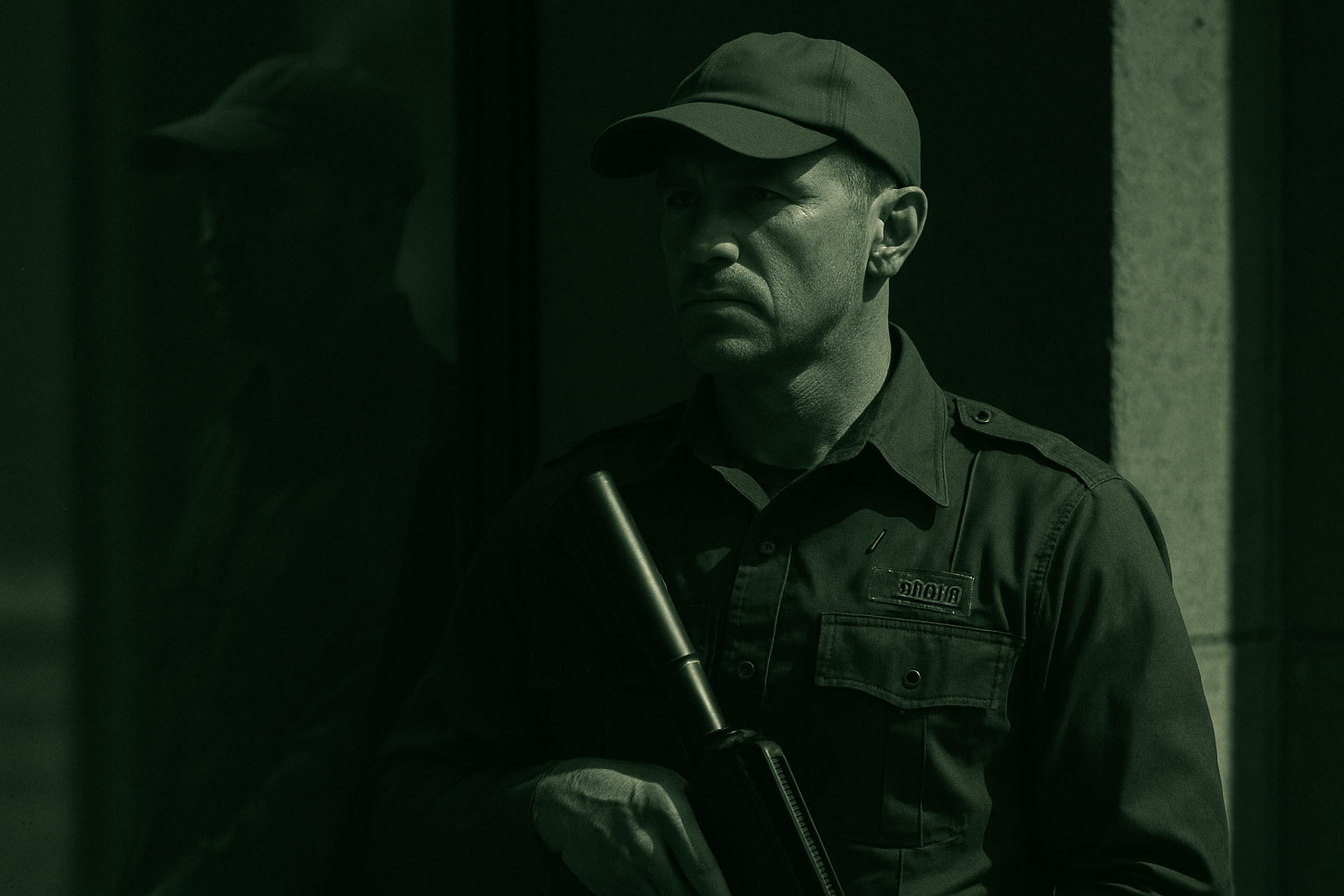
Not everyone’s built to rush headfirst into chaos. Defensive legends exist to shape the battlefield on their terms. If you’re the kind of player who thinks two steps ahead, this role is where you shine.
Best used legends: Caustic, Rampart, Wattson
Each of these legends brings lockdown tools that don’t just slow enemies they control the fight tempo. Caustic’s gas can deny pushes. Rampart’s walls let you out duel attackers from safe ground. Wattson? Her fences and ultimate are nightmares for grenade happy squads and scan dependents. Play them right, and the enemy comes to you, not the other way around.
Zone control: how to win fights before they start
Defensive play isn’t about reacting it’s about planning. Good placement of traps, barriers, and intercepts locks down key sightlines and slows enemy teams long enough to punish with coordinated fire. Use natural chokepoints on buildings or hills to tighten your grip. If you do it right, enemies will lose health or time just trying to approach, giving you the upper hand.
Using high traffic areas to your advantage
Hot zones and rotation paths aren’t just loot playgrounds they’re trap arenas. A well placed Wattson setup near a balloon or care package can turn greedy squads into free KP. Rampart’s Sheila at a choke can stop a third party dead. Defensive players thrive when they know how to weaponize the map’s flow and force fights on their terms.
Holding vs. overcommitting when to fall back
It’s tempting to hold a spot to the bitter end, but knowing when to rotate is crucial. Commit too hard to a building about to be outside ring and you’ll get pinched. The smart move: hold strong positions long enough to delay rotations, weaken enemies, or buy time for your carry. But if the math doesn’t work, reset. A good fallback is better than a heroic wipe. Defensive isn’t passive it’s patient aggression.
Recon: Knowledge = Power
If you’re playing Recon, your job starts before the first shot’s fired. Pick legends like Bloodhound, Seer, Crypto, or Vantage not just for their scans, but for what you do with the info they hand you. Bloodhound gives fast target tracking. Seer can disrupt a push or expose campers. Crypto operates like a one man drone bay, and Vantage offers long range scouting with built in threat assessment. Pick based on context map, team comp, and your own instincts.
Avoid spamming scans. That’s how you make noise and nothing else. Smart recon means scanning on rhythm, not cooldown. Think ahead use scans to clear flanks before a fight or after making a kill to prep for third parties. If an area feels quiet for too long, assume you’re not alone. Use your tools for certainty, not just habit.
Good recon also means watching enemy patterns. Where they rotate. Where they pause. Are they looting or baiting? Players run patterns without realizing it. If you can start reading those, you won’t just react you’ll control the pace of the match.
Lastly, plug into your squad style. Recon pairs best with aggressive entries or patient sap teams. Seer and Crypto fit control heavy play, while Bloodhound thrives in fast crash and clear pushes. Learn your lane. Then own it.
Support: The Team Backbone
Support legends aren’t flashy but they win games. Lifeline, Loba, and Newcastle might not top kill leaderboards, but they keep teams alive when it matters. If you’re playing support, your job isn’t just staying alive it’s making sure everyone else does too.
Mid fight, you control the flow. Quick revive? Drop a shield. Running out of syringes? Loba’s got you stocked. Third party approaching? Reset fast or reposition. Resource management isn’t optional as support it’s your main weapon. Swapping gear, sharing heals, pinging death boxes… these micro decisions define whether your squad recovers or wipes.
Pacing matters. A support player tracks everyone’s state ammo, shields, meds, ult timing and keeps the tempo balanced. You’re not just healing. You’re reading the room, adjusting aggression levels, choosing when to push or pause. If your team wipes early or staggers late, odds are the pacing was off.
And late game? Support players become clutch heroes. A single rez or quick loot pull can flip top three circles. Don’t sleep on it. The wins you remember are often held together by someone playing Lifeline when it counted.
Master each role in detail with our full guide
Final Strategy Slot
Apex isn’t a solo game. If you’re building your squad around three players doing their own thing, you’re already at a disadvantage. Victory leans on coordination Abusing synergy between legends like Bangalore and Bloodhound or pairing Loba with hyper aggressive mains lets you control momentum, not react to it.
Your legend pick should flex with the map and your team. Playing Storm Point? Long lines of sight favor Recon and Support builds. Kings Canyon? Get mobile. Stubbornly locking in your favorite is fine for casual runs, but in ranked or comp, pick what fits the team. Know your role, know your context.
And then level up. Mastering one role makes you solid. Mastering several makes you unpredictable. If you can flex from recon to support while calling fights and rotating smart, you’re not just filling a slot. You’re driving the squad.
This game rewards depth. Build a team, play the map, and evolve with intent. That’s how you stop surviving and start dominating.
 Tavara Orricsona has opinions about upcoming game releases. Informed ones, backed by real experience — but opinions nonetheless, and they doesn't try to disguise them as neutral observation. They thinks a lot of what gets written about Upcoming Game Releases, Latest Gaming News, Comprehensive Game Reviews is either too cautious to be useful or too confident to be credible, and they's work tends to sit deliberately in the space between those two failure modes.
Reading Tavara's pieces, you get the sense of someone who has thought about this stuff seriously and arrived at actual conclusions — not just collected a range of perspectives and declined to pick one. That can be uncomfortable when they lands on something you disagree with. It's also why the writing is worth engaging with. Tavara isn't interested in telling people what they want to hear. They is interested in telling them what they actually thinks, with enough reasoning behind it that you can push back if you want to. That kind of intellectual honesty is rarer than it should be.
What Tavara is best at is the moment when a familiar topic reveals something unexpected — when the conventional wisdom turns out to be slightly off, or when a small shift in framing changes everything. They finds those moments consistently, which is why they's work tends to generate real discussion rather than just passive agreement.
Tavara Orricsona has opinions about upcoming game releases. Informed ones, backed by real experience — but opinions nonetheless, and they doesn't try to disguise them as neutral observation. They thinks a lot of what gets written about Upcoming Game Releases, Latest Gaming News, Comprehensive Game Reviews is either too cautious to be useful or too confident to be credible, and they's work tends to sit deliberately in the space between those two failure modes.
Reading Tavara's pieces, you get the sense of someone who has thought about this stuff seriously and arrived at actual conclusions — not just collected a range of perspectives and declined to pick one. That can be uncomfortable when they lands on something you disagree with. It's also why the writing is worth engaging with. Tavara isn't interested in telling people what they want to hear. They is interested in telling them what they actually thinks, with enough reasoning behind it that you can push back if you want to. That kind of intellectual honesty is rarer than it should be.
What Tavara is best at is the moment when a familiar topic reveals something unexpected — when the conventional wisdom turns out to be slightly off, or when a small shift in framing changes everything. They finds those moments consistently, which is why they's work tends to generate real discussion rather than just passive agreement.