
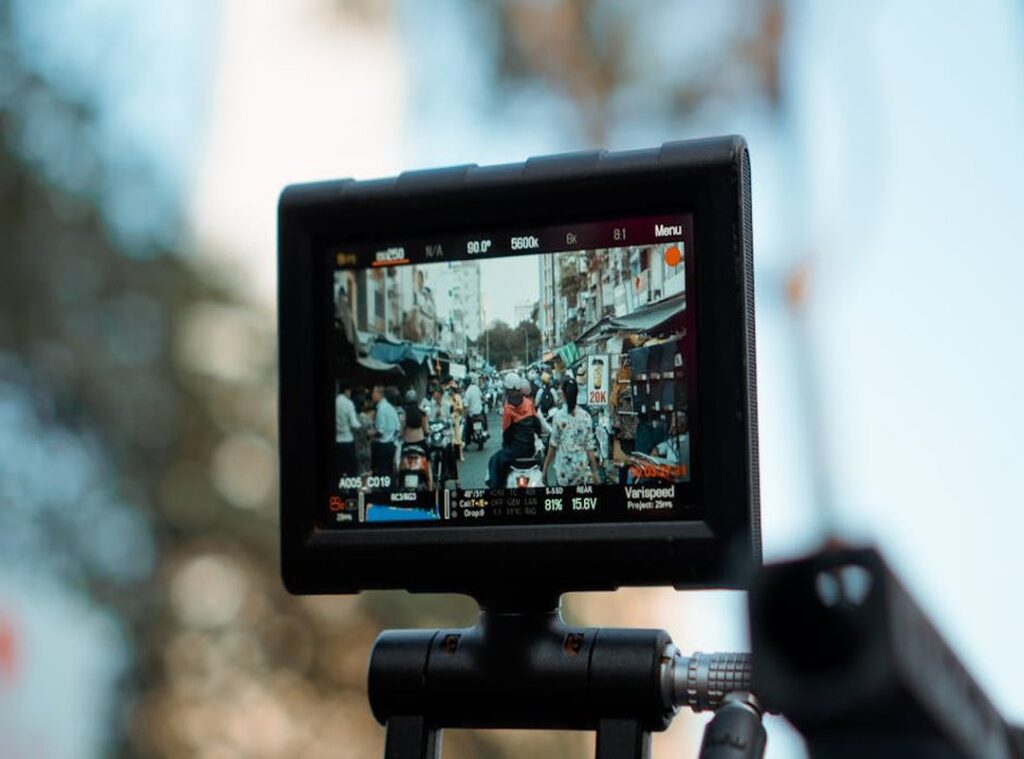
Live webcam streaming can be a bit of a wild ride. You never know what you might encounter, and that’s part of the thrill. But it can also be confusing, especially when you’re trying to figure out the best tools and techniques.
You might wonder, is this platform secure? Or, am I using the right equipment? These are valid concerns. onscreen cam4 is just one of many options out there, and each has its pros and cons.
I’ve been through it all, and I’m here to share my insights. This article will help you understand and effectively use live webcam streaming for various purposes. Let’s dive in.
Understanding Live Webcam Streaming
What is live webcam streaming? It’s broadcasting video content in real-time over the internet. Simple, right?
But it’s a big deal.
Why It Matters
Live streaming has become a cornerstone of how we connect and share information. Whether you’re watching a concert or a product launch, it’s all about immediacy.
Key Components
You need a few things to get started. First, a good camera. Doesn’t have to be fancy, but it should capture clear video.
Next, software. There are plenty of options out there, from free to premium. Finally, stable internet.
Without it, your stream will be choppy and frustrating.
Use Cases
Personal vlogging is huge. People love sharing their lives and connecting with others. Gaming is another big area.
Streamers on platforms like onscreen cam4 and Twitch build massive followings by playing and chatting with their audience.
Professional broadcasting is also on the rise. News outlets and event organizers use live streaming to reach global audiences. And let’s not forget remote work.
Video conferencing tools like Zoom and Microsoft Teams keep us connected, even when we’re apart.
In short, live webcam streaming is versatile and powerful. It’s changing how we communicate and consume content.
Choosing the Right Equipment
When it comes to webcams, you’ve got a few options. USB webcams are plug-and-play and work well for most users. If you need higher quality, DSLR cameras can be used as webcams.
They offer better image quality but require more setup.
Good audio is crucial. A fuzzy mic can ruin a good video. Dynamic mics like the Shure SM7B are great for clear, professional sound.
For something simpler, USB mics like the Blue Yeti are easy to use and still sound great.
Lighting makes a huge difference, and ring lights provide even, flattering illumination. Softbox lights give a more natural look.
Position them in front of you, slightly above eye level, to avoid harsh shadows.
Pro tip: Test your setup with onscreen cam4 before going live. It’s a quick way to see how you look and sound.
Selecting the Best Software and Platforms
When it comes to streaming, choosing the right software can make or break your experience. OBS Studio is a go-to for many streamers. It’s open-source and highly customizable, which means you can tweak it to fit your needs perfectly.
Streamlabs, on the other hand, offers a more user-friendly interface. It’s great for beginners who want something that’s easy to set up and use. XSplit is another solid option, especially if you’re into gaming.
It has some advanced features like chroma key and scene transitions, but it’s not free.
Now, let’s talk about platforms, and youTube is huge. It’s got a massive audience and offers a lot of ways to monetize your content.
But, it can be tough to stand out in such a crowded space.
Twitch is all about live streaming, particularly for gamers. The community there is very engaged, and if you’re into games, it’s a no-brainer. Just remember, the competition is fierce.
Facebook Live is another option. It’s integrated with the world’s largest social network, so you’ve got a built-in audience. However, it’s not as focused on gaming, so if that’s your niche, it might not be the best fit.
Once you’ve picked your software and platform, integration is key. Make sure your software supports the platform you choose. For example, OBS Studio works seamlessly with both YouTube and Twitch.
You’ll also want to set up your scenes and sources in your software to match the requirements of your platform. This way, you can switch between different layouts and content without any hiccups.
Pro tip: Test everything before going live. Do a dry run to make sure your setup is working as expected. Trust me, it’s better to catch issues in a test than in front of your audience.
Oh, and if you’re into esports, check out the rise of valorant esports what makes it so popular. It’s a game changer, and understanding its popularity can give you insights into the streaming world too.
Lastly, don’t forget to keep an eye on onscreen cam4. It’s a handy tool for managing your camera feeds and ensuring your viewers get the best possible experience.
Setting Up Your Live Stream
Before you hit that “go live” button, make sure everything’s in place. Trust me, the last thing you want is to start streaming and realize your mic isn’t working.
Pre-Stream Checklist:
- Check your internet connection. (You need a stable, fast connection.)
- Set up your camera and microphone.
- Position your lighting. (Good lighting makes a huge difference.)
- Open your streaming software and log in.
- Select the right stream settings.
Now, let’s get into the nitty-gritty of configuration.
Configuration Settings:
First, open your streaming software. Onscreen cam4, for example, has a straightforward setup. Go to the settings and select your input devices—camera, mic, and any other sources like a game capture card.
Next, set your resolution and bitrate. For most streams, 720p at 30 fps is a good starting point. If your internet can handle it, bump it up to 1080p.
Just don’t overdo it; you don’t want to lag.
Finally, choose the right server. Pick one that’s close to you for the best performance. This can make or break your stream quality.
Testing is crucial, and don’t skip this step. Run a test stream to see how everything looks and sounds.
It’s better to catch issues now than when you’re live.
If something doesn’t look right, go back and tweak your settings. Test again until you’re happy with the result.
With these steps, you’ll be ready to go live with confidence. Good luck!
Best Practices for Live Streaming
Engagement is key. Respond to comments in real-time and use interactive features like polls and Q&A sessions. It makes your stream more fun and keeps people coming back.
High-quality content matters, and invest in a good microphone and camera. Clear audio and video can make or break your stream.
Consistency is crucial. Set a regular streaming schedule and stick to it. Viewers appreciate knowing when they can catch you live.
Pro tip: Use onscreen cam4 to show your reactions and connect with your audience. It adds a personal touch and helps build a stronger community.
Mastering Live Webcam Streaming
Choosing the right equipment, software, and platforms is crucial for a seamless live streaming experience. This ensures that your stream is both professional and engaging.
Following the best practices and tips provided will help you achieve a successful and professional live streaming experience.
Start experimenting with live streaming today. Continuously refine your setup and content to see the best results.
onscreen cam4 can be a great platform to test and improve your skills.
 Clevelandeep Anthonys is the kind of writer who genuinely cannot publish something without checking it twice. Maybe three times. They came to comprehensive game reviews through years of hands-on work rather than theory, which means the things they writes about — Comprehensive Game Reviews, Latest Gaming News, Player Strategy Guides, among other areas — are things they has actually tested, questioned, and revised opinions on more than once.
That shows in the work. Clevelandeep's pieces tend to go a level deeper than most. Not in a way that becomes unreadable, but in a way that makes you realize you'd been missing something important. They has a habit of finding the detail that everybody else glosses over and making it the center of the story — which sounds simple, but takes a rare combination of curiosity and patience to pull off consistently. The writing never feels rushed. It feels like someone who sat with the subject long enough to actually understand it.
Outside of specific topics, what Clevelandeep cares about most is whether the reader walks away with something useful. Not impressed. Not entertained. Useful. That's a harder bar to clear than it sounds, and they clears it more often than not — which is why readers tend to remember Clevelandeep's articles long after they've forgotten the headline.
Clevelandeep Anthonys is the kind of writer who genuinely cannot publish something without checking it twice. Maybe three times. They came to comprehensive game reviews through years of hands-on work rather than theory, which means the things they writes about — Comprehensive Game Reviews, Latest Gaming News, Player Strategy Guides, among other areas — are things they has actually tested, questioned, and revised opinions on more than once.
That shows in the work. Clevelandeep's pieces tend to go a level deeper than most. Not in a way that becomes unreadable, but in a way that makes you realize you'd been missing something important. They has a habit of finding the detail that everybody else glosses over and making it the center of the story — which sounds simple, but takes a rare combination of curiosity and patience to pull off consistently. The writing never feels rushed. It feels like someone who sat with the subject long enough to actually understand it.
Outside of specific topics, what Clevelandeep cares about most is whether the reader walks away with something useful. Not impressed. Not entertained. Useful. That's a harder bar to clear than it sounds, and they clears it more often than not — which is why readers tend to remember Clevelandeep's articles long after they've forgotten the headline.